

Flora & Fauna
Wildlife & Nature
Pink Pigeons, kestrels, giant tortoises and the extraordinary natural world of Mauritius.
Mauritius sits within a global biodiversity hotspot. The island was once covered in dense tropical forest. Today, less than 2% of native vegetation remains. Yet Mauritius punches extraordinarily well above its weight in conservation, having brought multiple species back from the very edge of extinction.
The island's conservation story is one of the most dramatic in natural history — a place that gave the world the dodo, now leading the world in island species recovery.

Black River Gorges
The last remaining native forest — home to every endemic bird species
Avifauna
Endemic Birds
Mauritius has several endemic bird species found nowhere else on earth. Most came close to extinction in the 20th century and are now recovering, thanks to intensive conservation work by the Mauritian Wildlife Foundation.
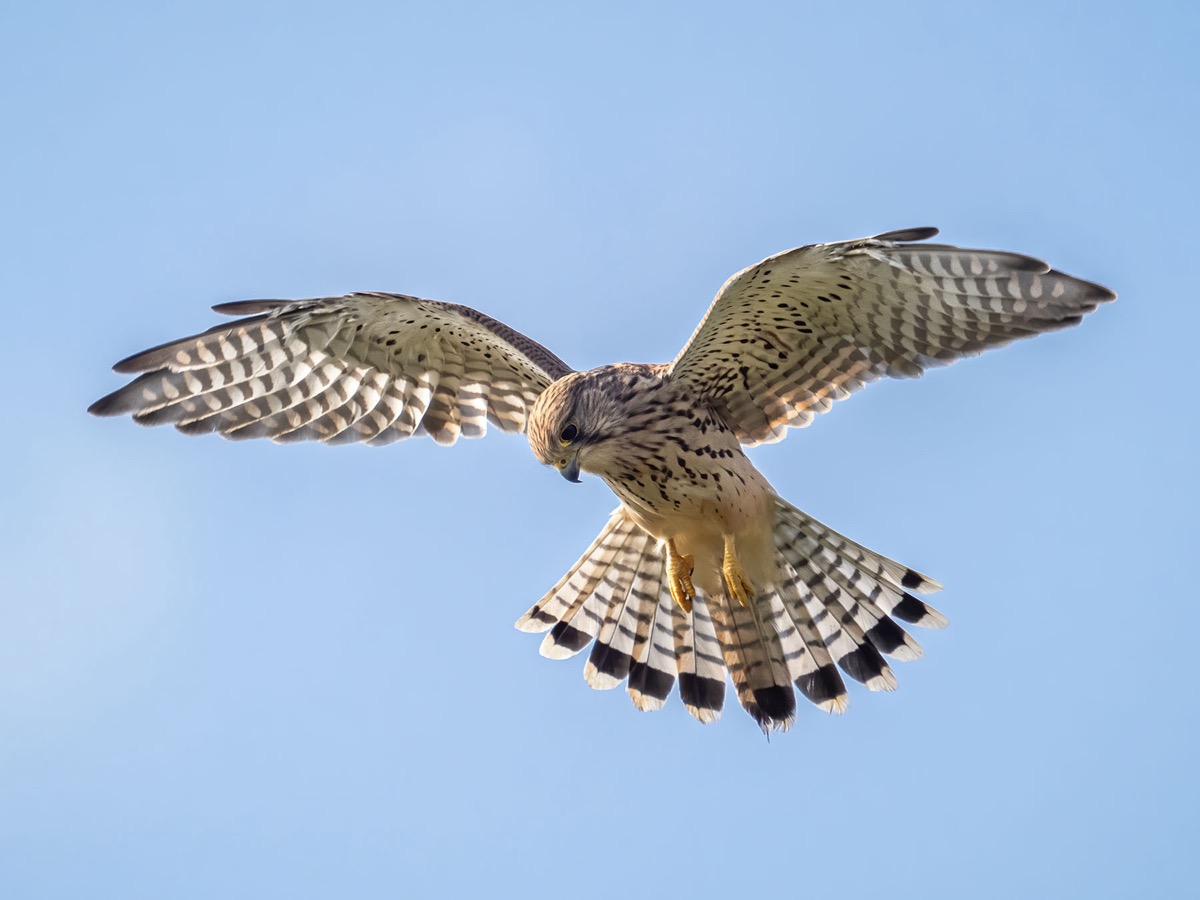 Vulnerable
Mauritius Kestrel
Falco punctatus
In 1974, only 4 individuals remained in the wild — the rarest bird on earth. Today 400+ birds live wild in Mauritius. The most dramatic conservation success story in history. Endemic.
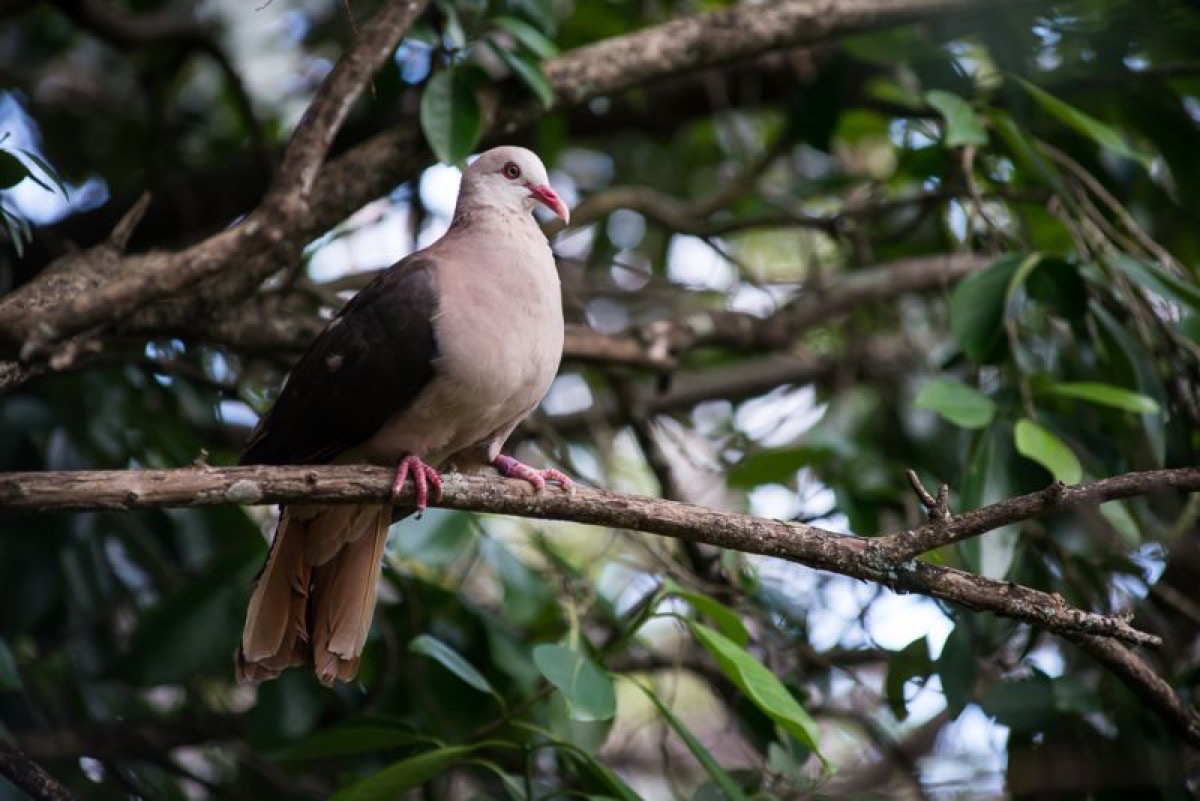 Endangered
Pink Pigeon
Nesoenas mayeri
Down to just 9 birds in 1990. Now 500+ individuals. Still Endangered but recovering steadily. Bred at Black River Aviary and released. Endemic.
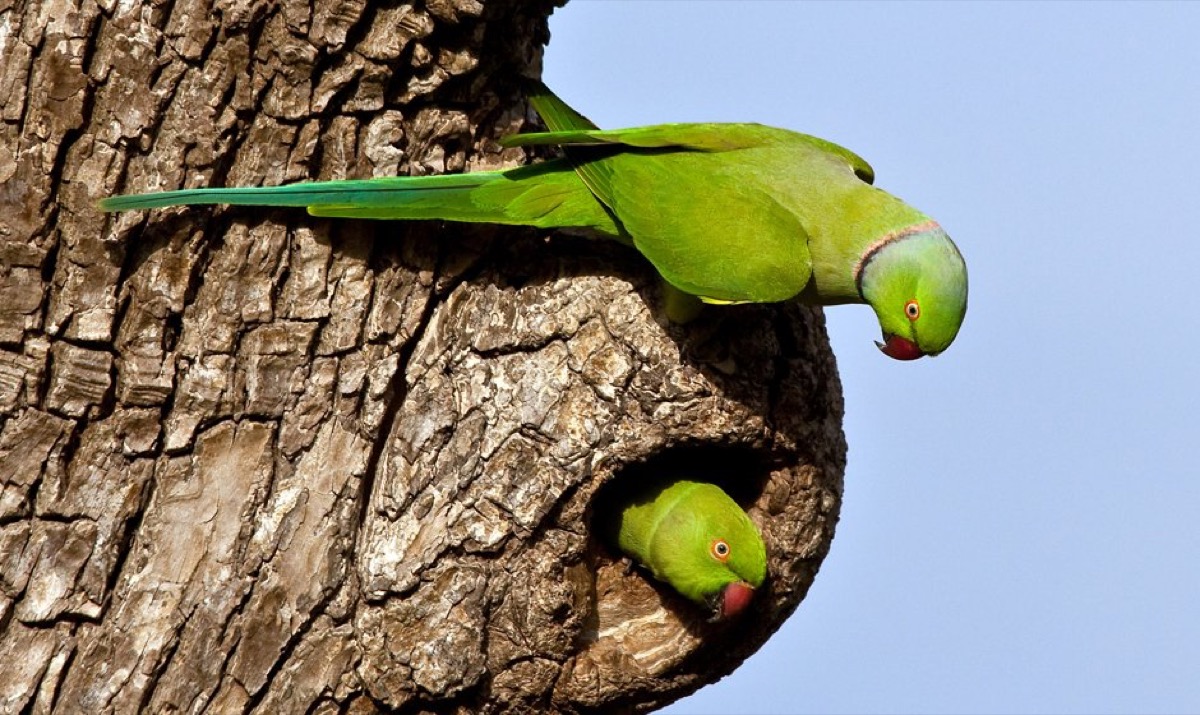 Vulnerable
Echo Parakeet
Psittacula eques echo
Down to fewer than 20 individuals in the 1980s. Now 750+. A beautiful bright-green parrot with a red beak. Endemic to Mauritius. Nests in old tree cavities.
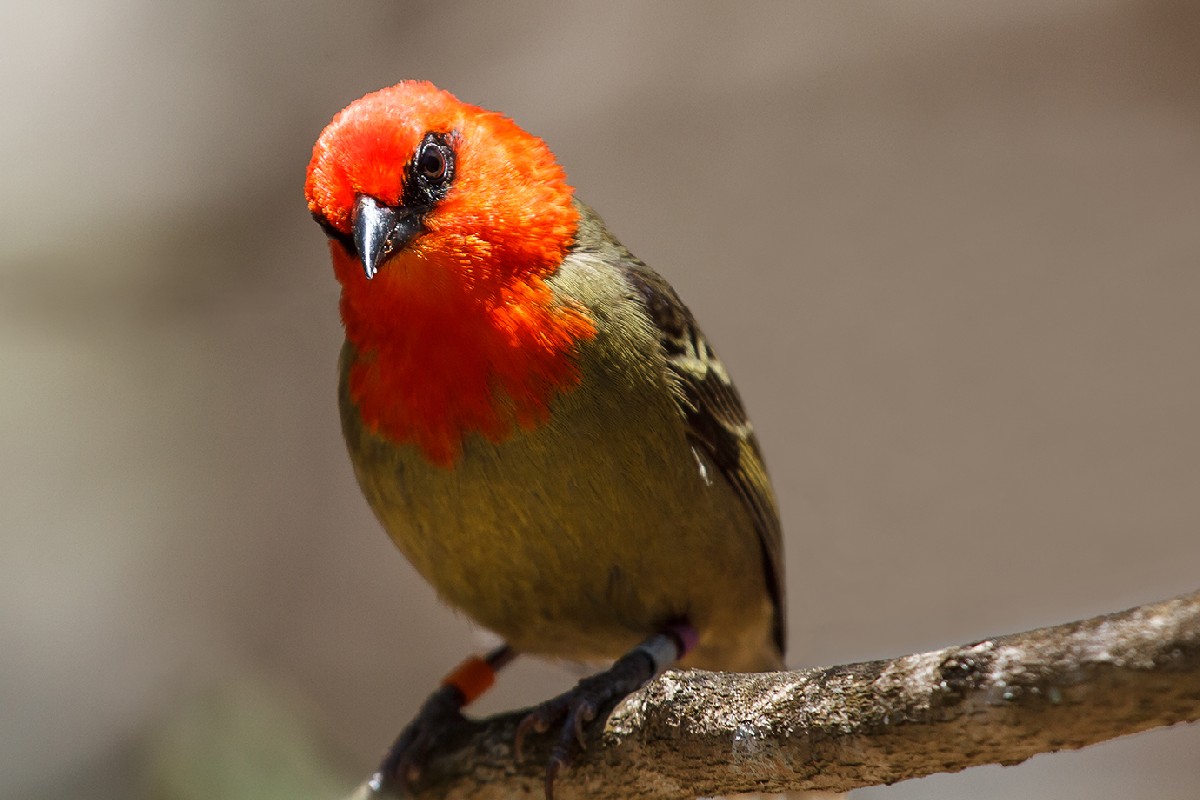 Endangered
Mauritius Fody
Foudia rubra
Small, striking red-and-yellow bird. Males brilliant red in breeding season. Endemic. Best seen in Black River Gorges National Park.
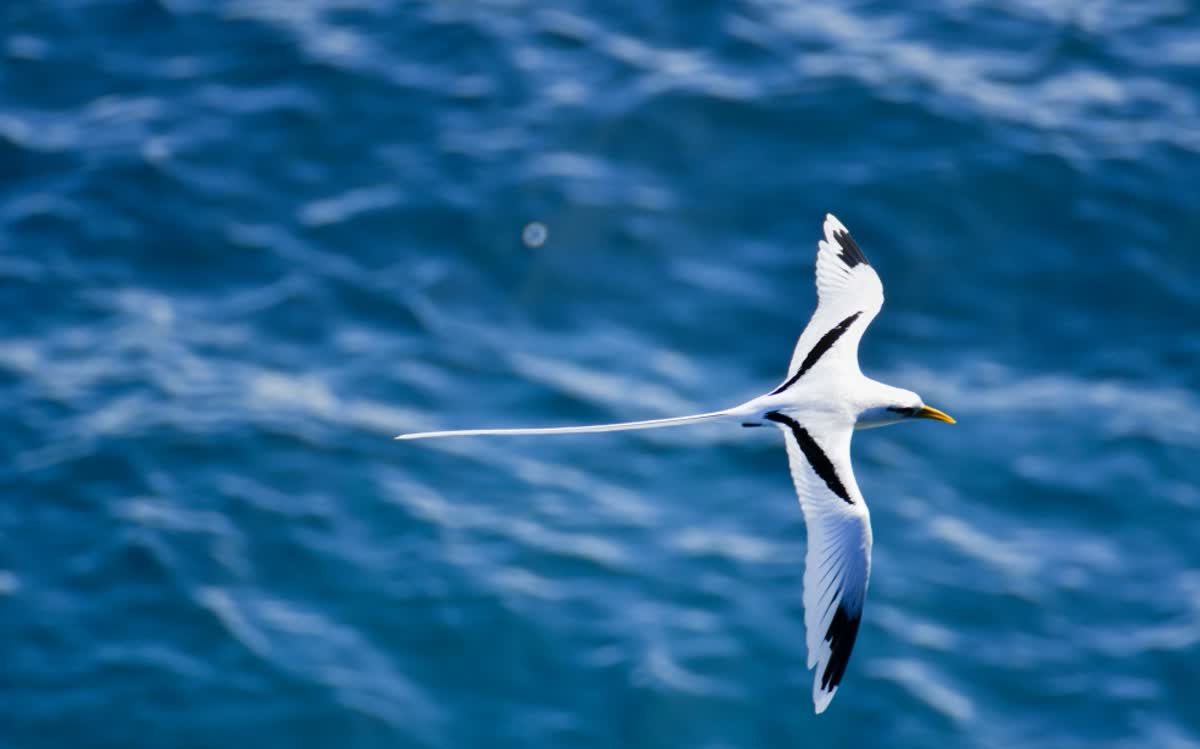 Common
Paille-en-Queue
Phaethon lepturus
White-tailed tropicbird with extraordinarily long tail streamers. Appears on Mauritian currency. Graceful, often seen riding thermals along the coast. National symbol.
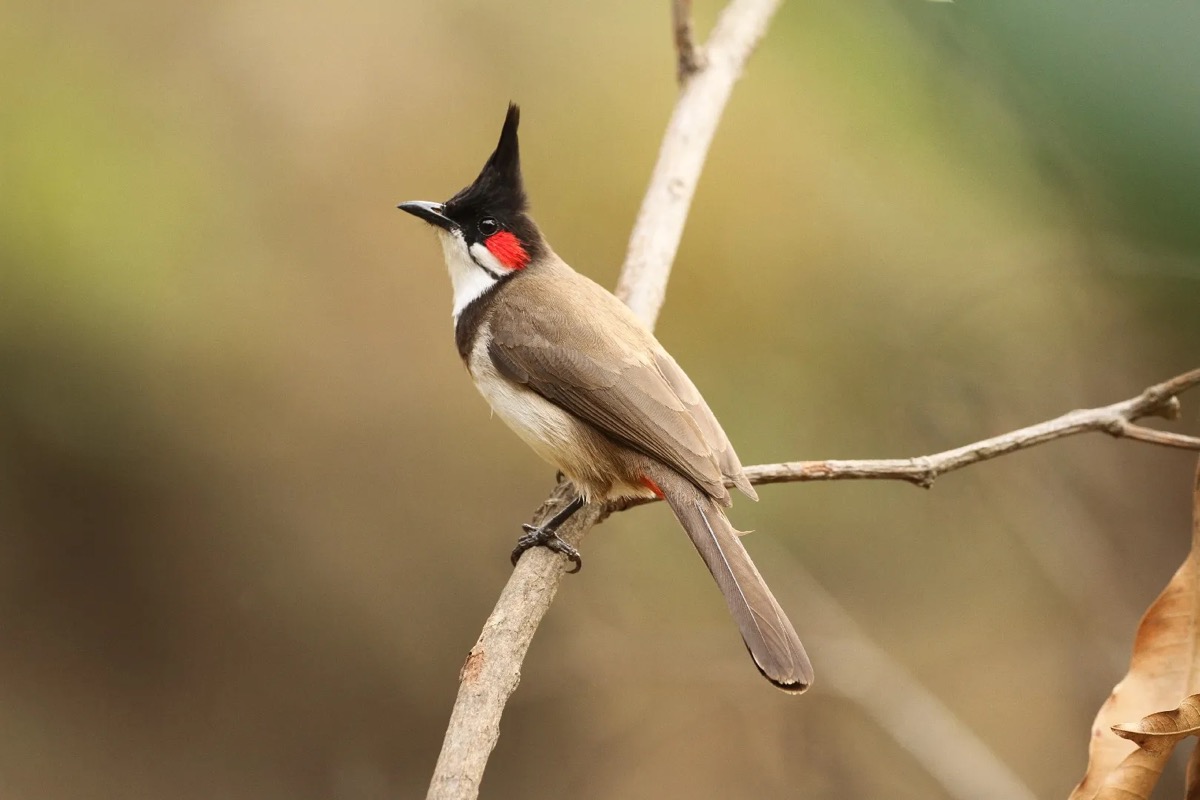 Vulnerable
Mauritius Bulbul
Hypsipetes olivaceus
Brown-olive bird with a loud, musical call. Endemic. Seen in native forest. A good indicator of healthy native habitat.
Mammals
Land Mammals
Mauritius has no native land mammals except bats. All other land mammals were introduced by settlers and some have become highly invasive.
Java Deer (Rusa unicolor)
Introduced by the Dutch from Java. Now abundant across the island. Hunted on private estates — venison is a common feature on Mauritian menus. Beautiful animals but damaging to native forest.
Mauritius Flying Fox
Large fruit bat — native. The only native land mammal. Plays a crucial role in pollinating and spreading seeds of native trees. Was hunted controversially for years but is now protected.
Tenrec
Hedgehog-like insectivore, originally from Madagascar. Introduced to Mauritius. Common in gardens and fields. Nocturnal. Often seen crossing roads at night.
Crab-eating Macaque
Introduced from Southeast Asia. Now highly invasive and one of the most destructive threats to bird life — they raid nests and eat eggs. Active control programs are underway.
Reptiles
Reptiles & Turtles
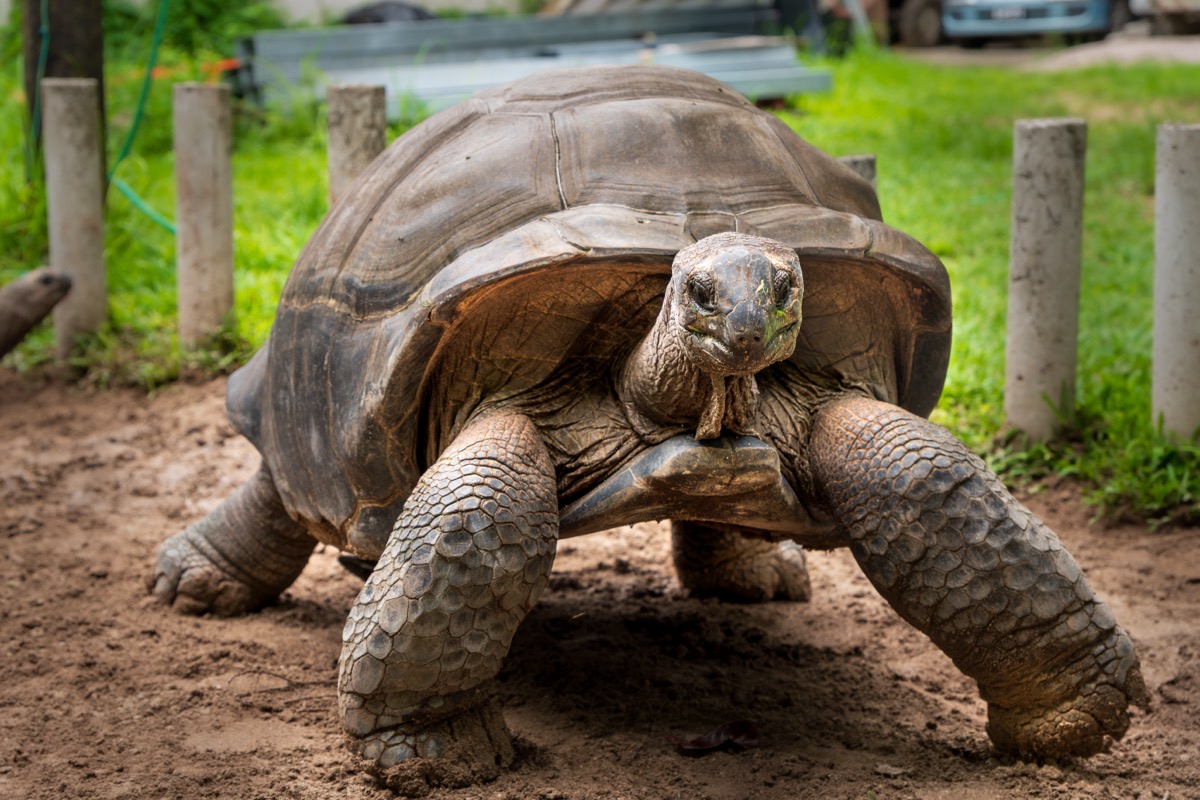
Aldabra Giant Tortoise
Not originally from Mauritius (from Aldabra Atoll, Seychelles) but introduced as replacements for Mauritius's own extinct giant tortoises. Can weigh 250kg, live 100+ years. Best seen on Île aux Aigrettes.
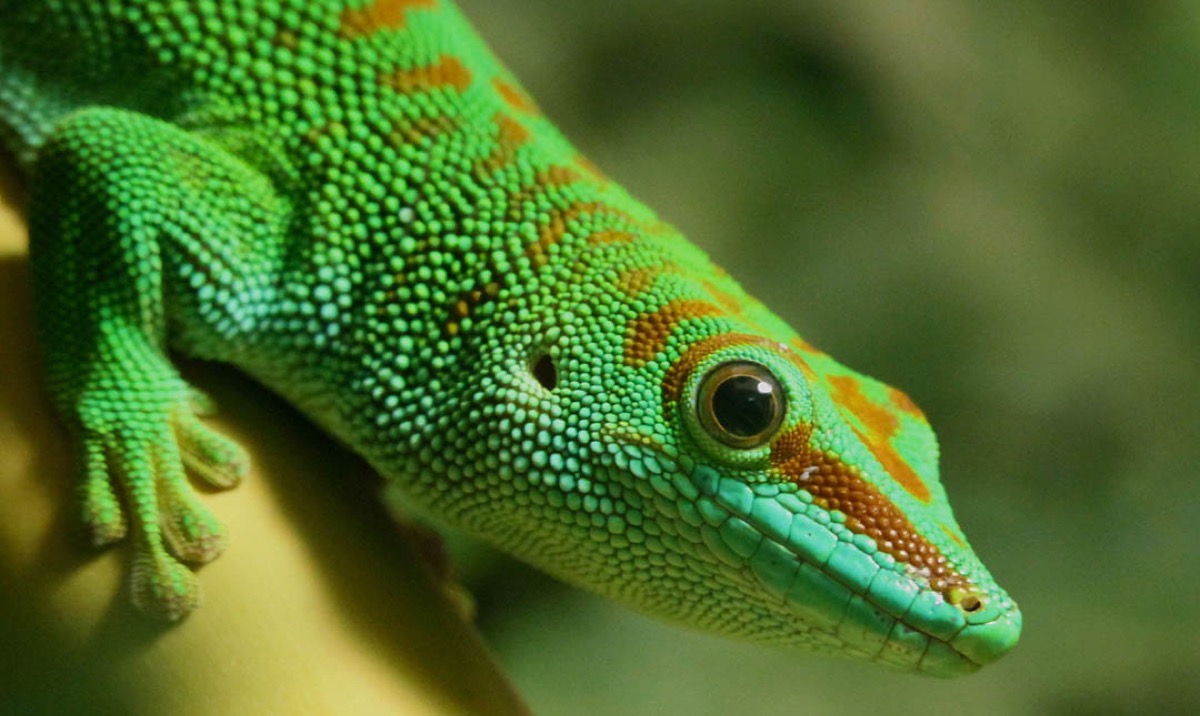
Green Gecko (Phelsuma)
Several species. The ornate day gecko is stunning — bright green with vivid red spots. Active during the day. Common in gardens and on trees across the island.
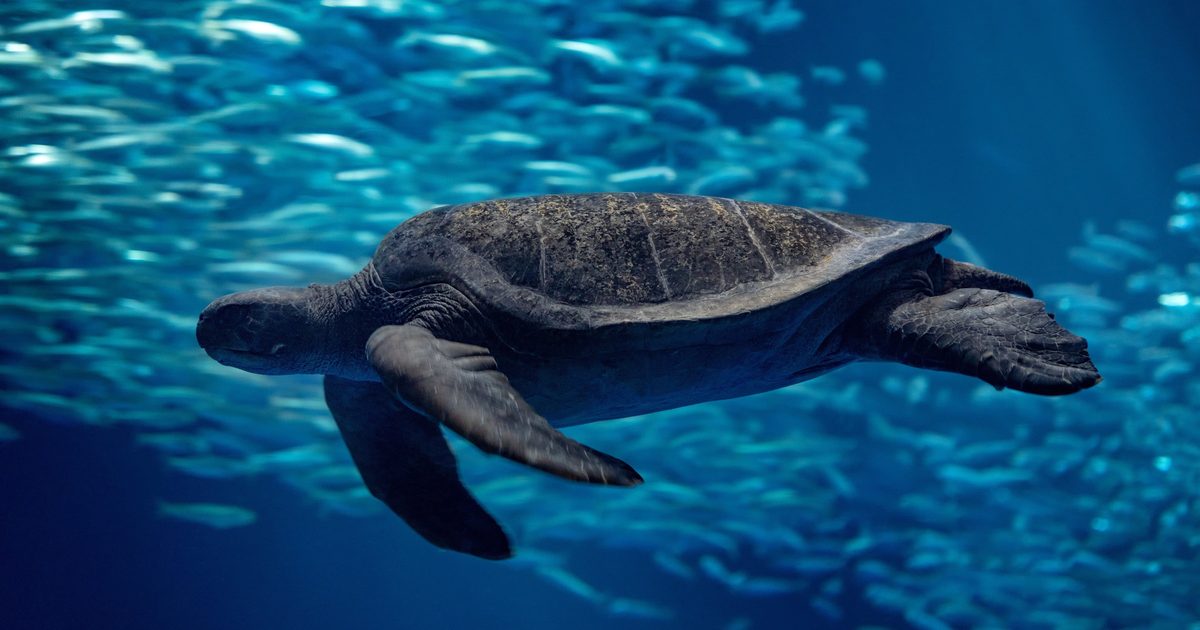
Green Sea Turtle
Chelonia mydas. Endangered. Nests on outer islands. Sometimes seen snorkelling in the lagoon. Fully protected — touching or harassing turtles is illegal.
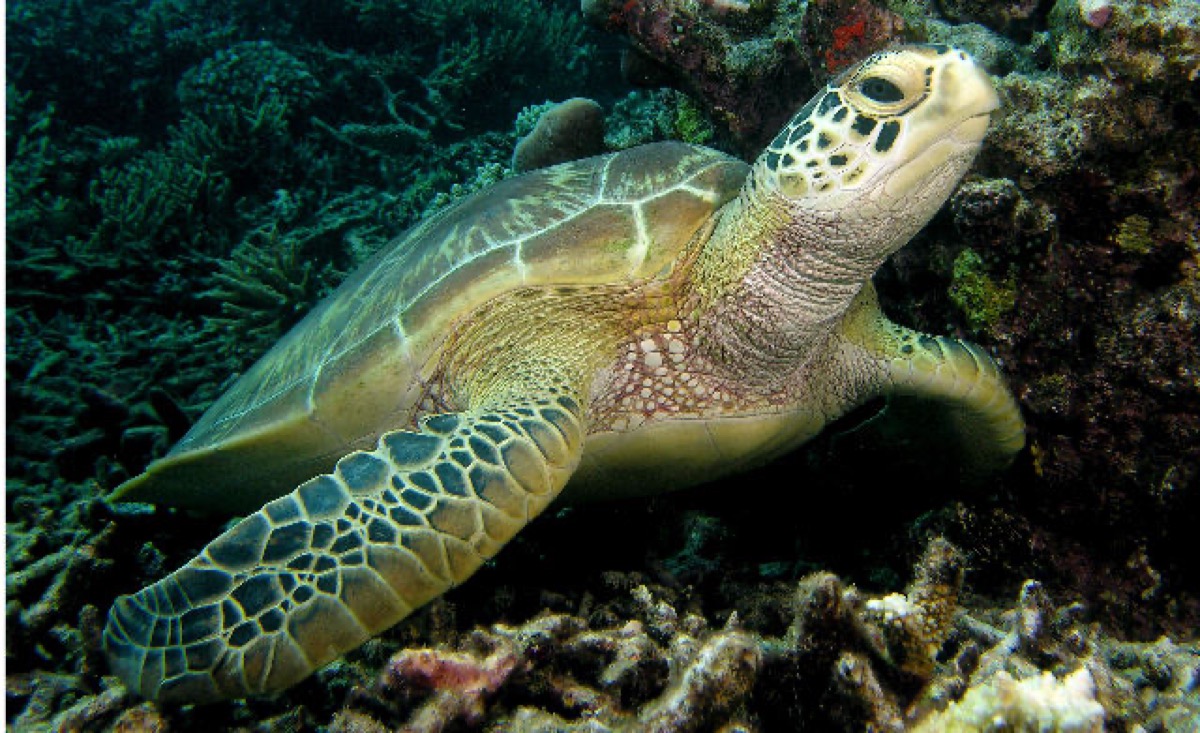
Hawksbill Turtle
Critically Endangered. Less common than green sea turtles. Smaller and more beautifully patterned. Occasional snorkelling sightings.
Where to Go
Key Conservation Sites
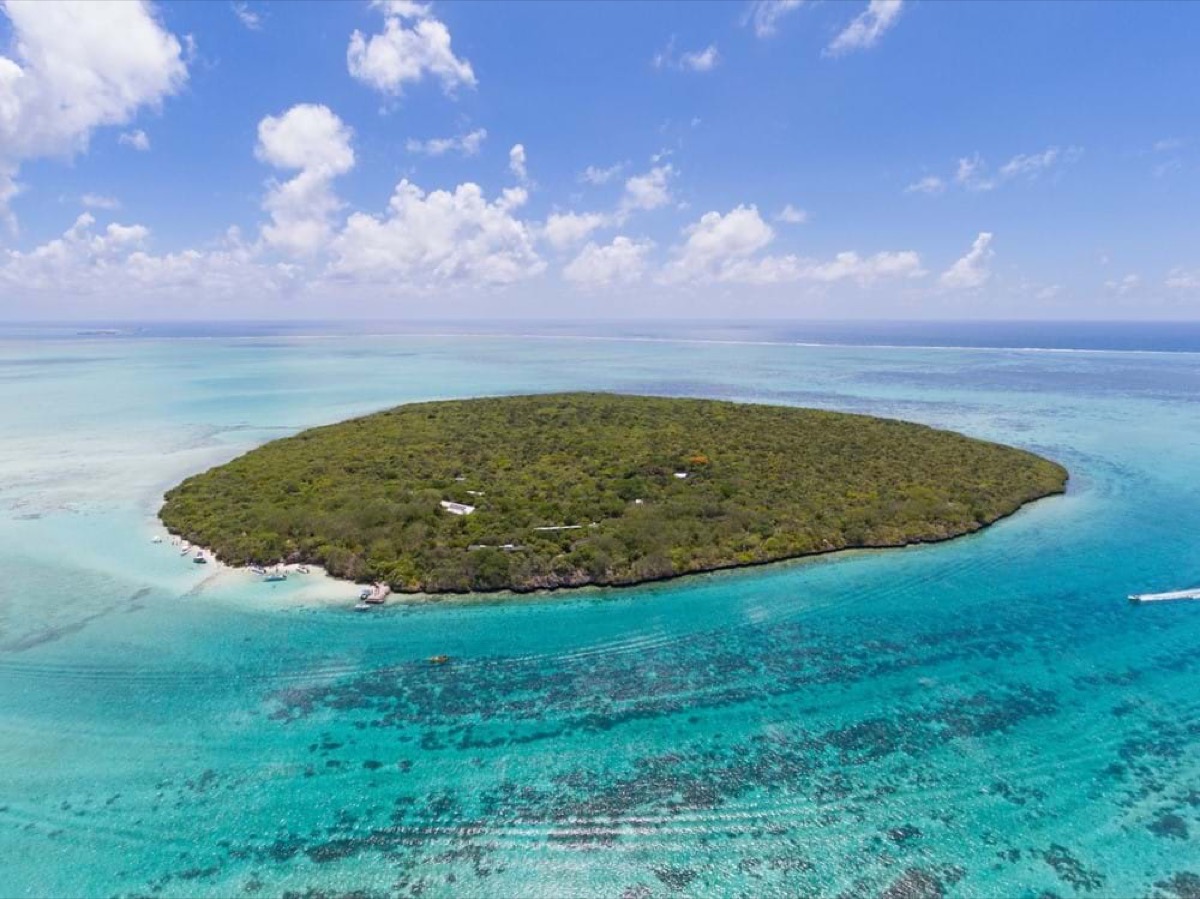
Off Mahebourg, south-east coast
Île aux Aigrettes
A 25-hectare coral island restored by the Mauritian Wildlife Foundation to its pre-human state. Giant Aldabra tortoises roam freely. Pink Pigeons breed here. Endemic plants have replaced invasive species. The closest you can get to Mauritius as it was before the Dutch arrived. Day visits by boat from Mahebourg.
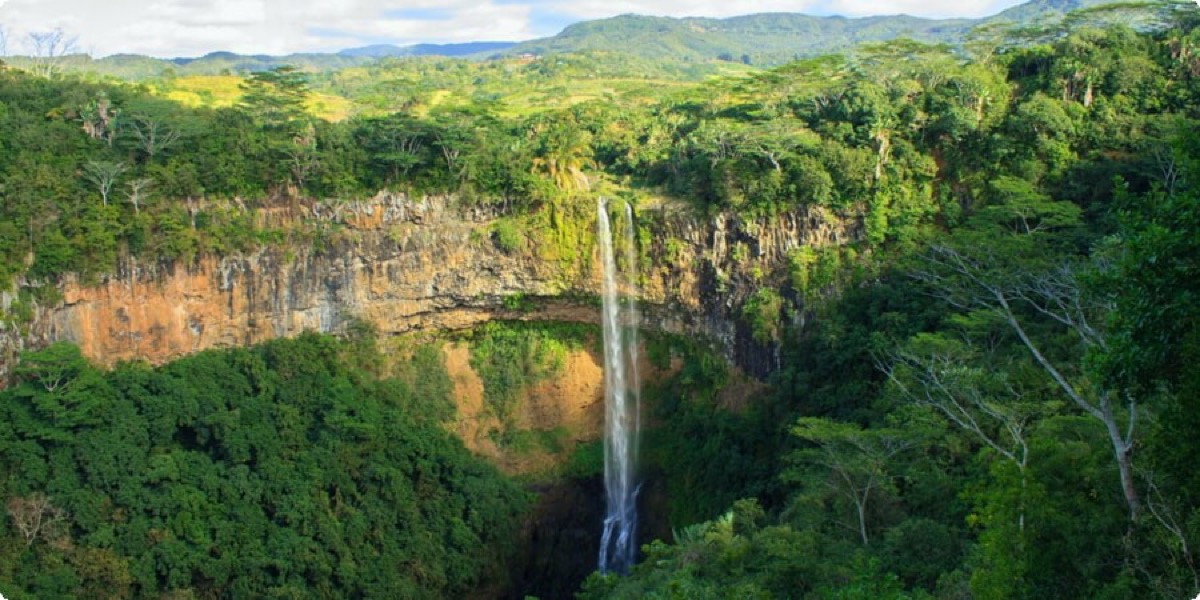
South-west, inland
Black River Gorges National Park
6,574 hectares of native highland forest — the largest remaining tract. The best place in Mauritius to see endemic birds including the Mauritius Kestrel, Echo Parakeet, and Pink Pigeon. Multiple hiking trails of varying difficulty. Viewpoints over the gorge to the west coast.
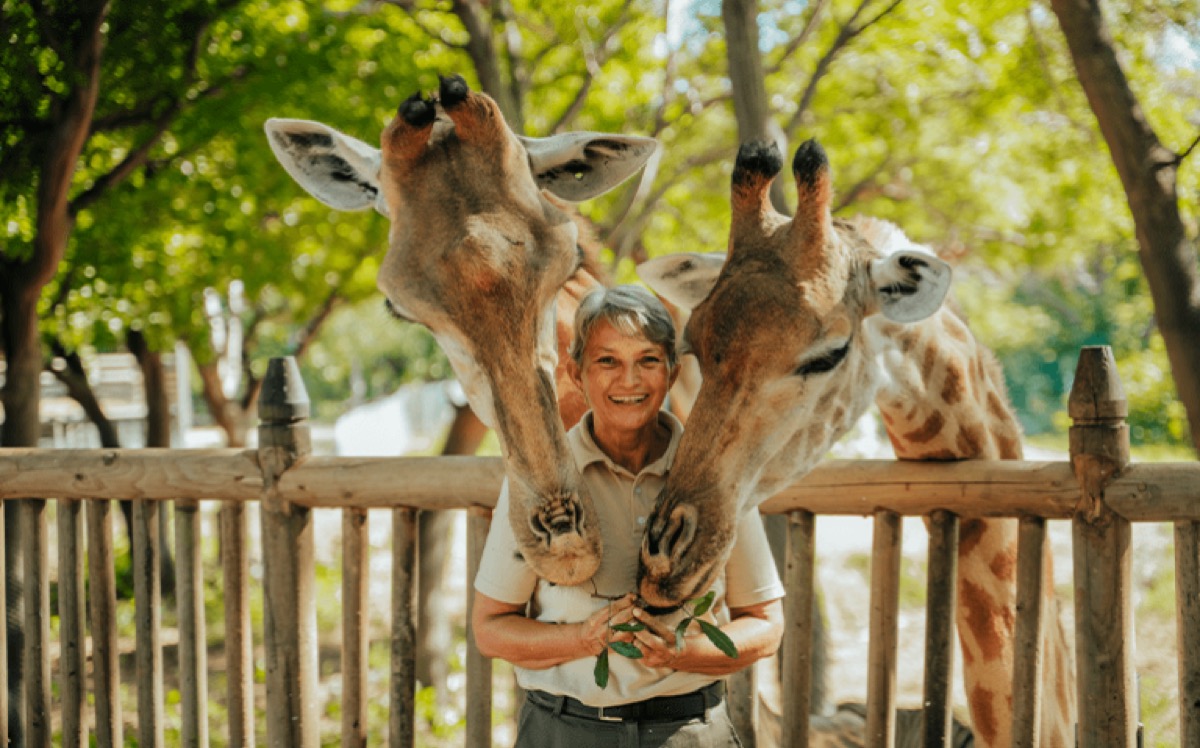
Cascavelle, west
Casela Nature Park
A private nature park with a large collection of African and exotic wildlife including White Lions, cheetahs, and ostriches. More of a zoo-style attraction than a conservation site but popular with families and accessible.
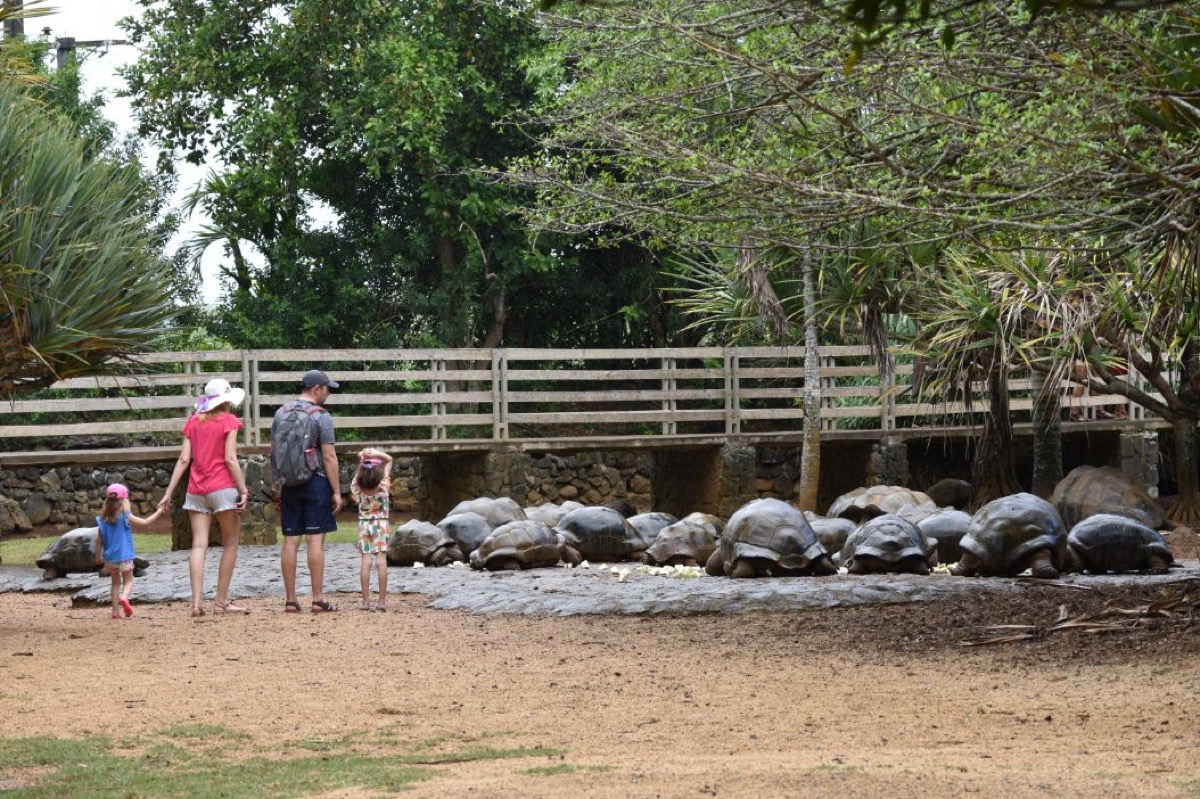
Rivière des Anguilles, south
La Vanille Nature Park
A private park notable for its Aldabra Giant Tortoise population — among the largest in the world outside Aldabra itself. Also giant Nile crocodiles and endemic reptiles. Interactive, family-friendly.
Plants
Native Flora
Originally Mauritius was covered in dense tropical forest. Today, sugar cane covers nearly 40% of the land surface. Less than 2% of native vegetation remains — primarily in Black River Gorges and the Brise Fer reserve in the central highlands.
Ebony— Mauritius's black ebony was historically considered the finest in the world. The Dutch and French felled vast quantities; today, small regenerating groves exist in protected areas. Ebony artefacts remain a luxury craft item.
Tambalacoque (Dodo Tree)— Legend held that tambalacoque seeds could only germinate after passing through the dodo's digestive system, meaning the tree was dying with the dodo. This has been largely disproven by scientists, but the story illustrates how deeply connected the island's species once were.
Vacoa (Pandanus) — A palm-like plant growing along coasts and in wetlands. Its long leaves are used in traditional basketry and weaving. Common across the island.
Greatest Threat
Invasive Species
Invasive species are the greatest threat to Mauritian biodiversity — more destructive than development, pollution, or climate change. This was true with the dodo and remains true today.
The Mauritian Wildlife Foundation and National Parks & Conservation Service work intensively to control invasives, especially on offshore island sanctuaries where eradication is achievable.
Explore More