

People & Culture
Culture & People
Four ethnic groups, six languages, four religions, one extraordinary nation.
Mauritius has 1.26 million people and no indigenous population. Every Mauritian is descended from settlers, colonisers, enslaved Africans, or indentured labourers. From this history of displacement and hardship has emerged a society of remarkable cultural richness and — mostly — extraordinary tolerance.
The island is one of the most densely populated in Africa (623 people per km²) and yet one of the most peaceful. Hindu temples, Catholic churches, mosques, and Chinese pagodas stand within walking distance of each other in most towns. Festivals of all communities are national public holidays. The food alone — Indian, Chinese, French, African and Malagasy — is worth the journey.
Population
The Four Communities
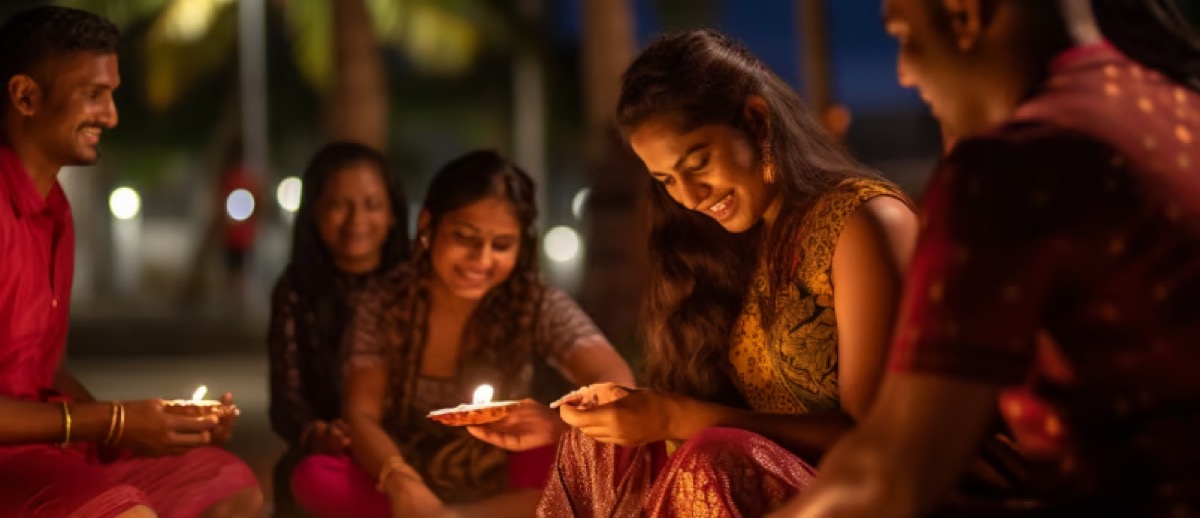
Descendants of Indian indentured labourers who arrived between 1834 and 1921 from Bihar, Uttar Pradesh, Tamil Nadu, Andhra Pradesh, and Telugu regions. The largest community and the foundation of the island's Hindu heritage.
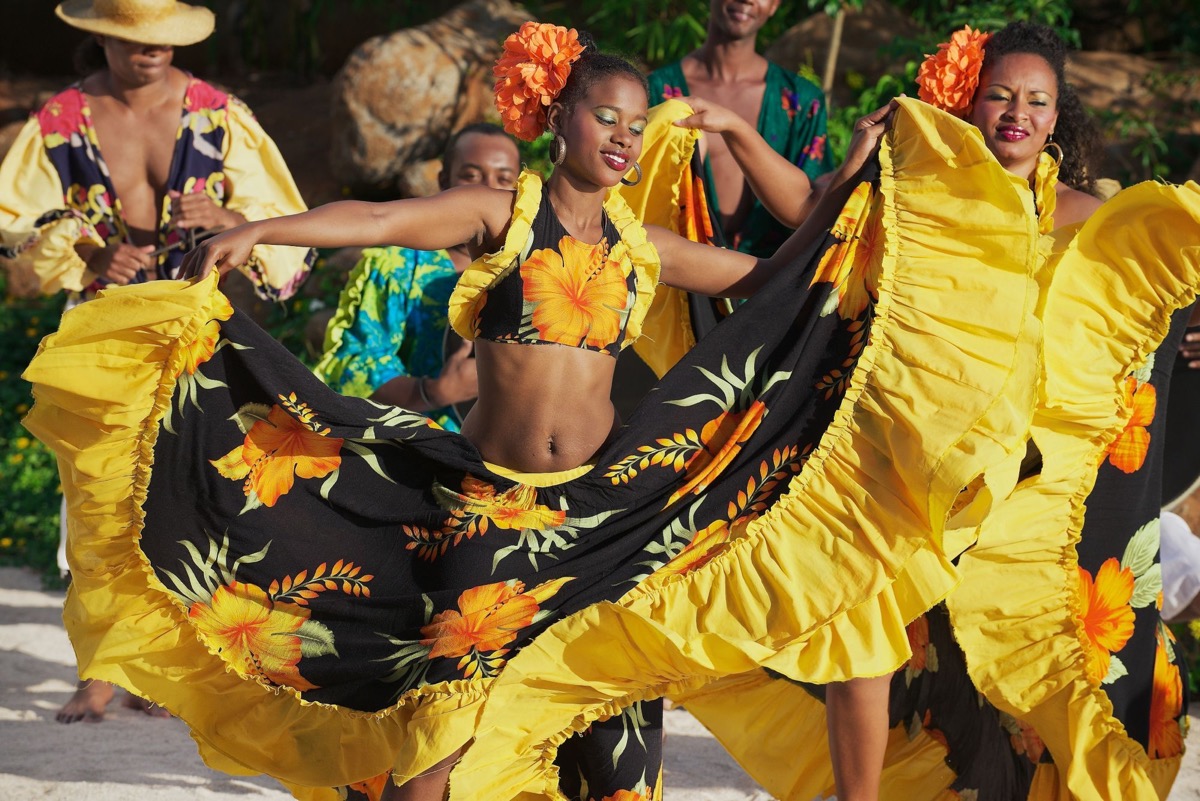
Descendants of enslaved Africans and Malagasy people, mixed over generations with European settlers. Predominantly Christian. Keepers of sega music and the Morisien language.
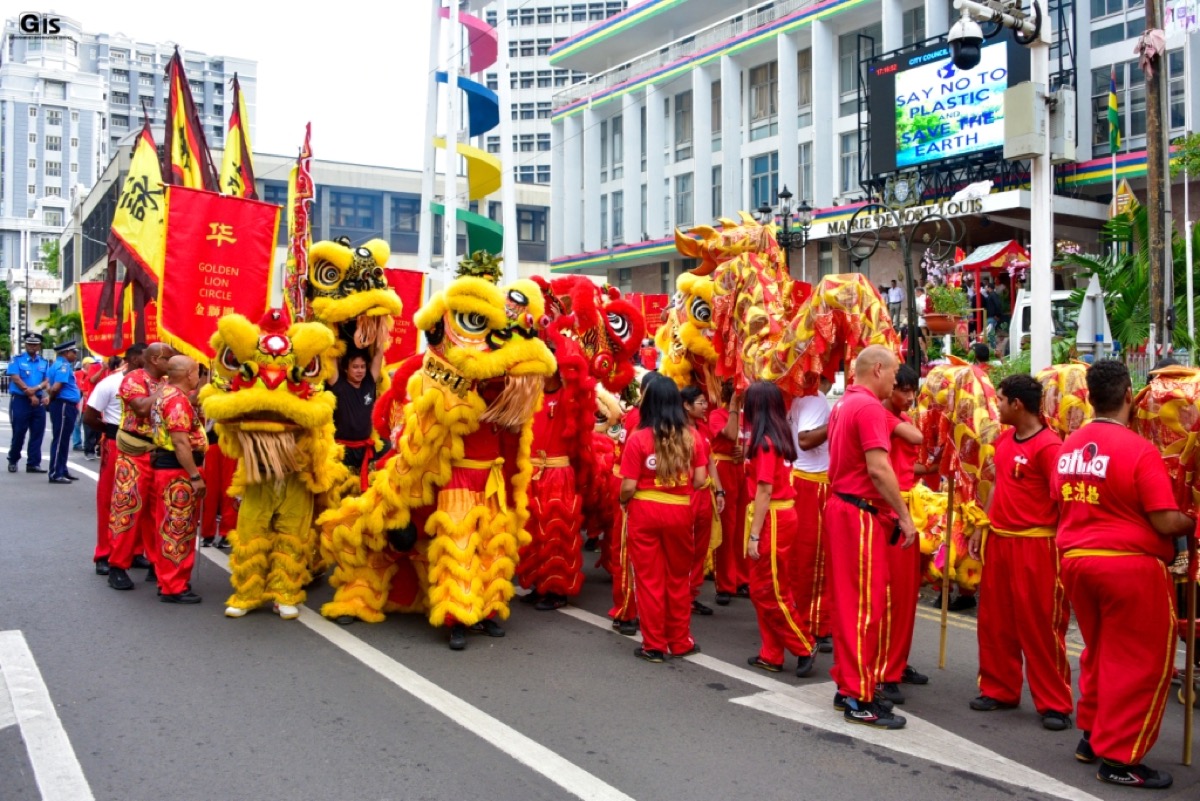
Descendants of Chinese merchants who arrived from Hakka and Cantonese regions in the late 19th century. Disproportionately influential in commerce, especially retail trade.
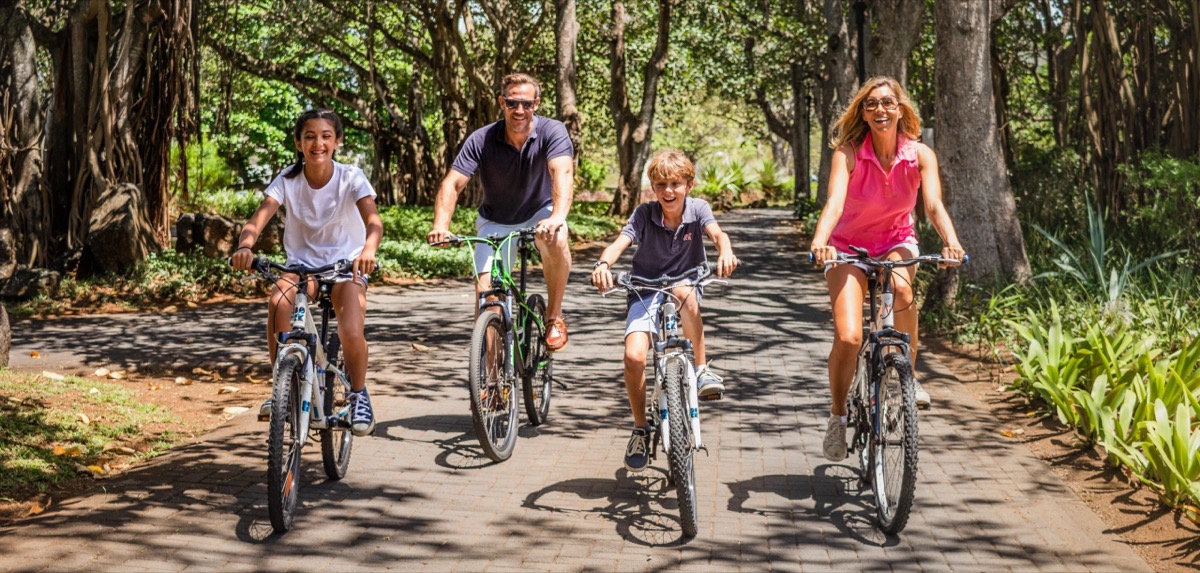
Descendants of French colonists who arrived from 1715. A small community but historically powerful — they own the major sugar estates and much of the business infrastructure.
Languages
A Nation of Six Tongues
Mauritius has one of the most extraordinary linguistic situations on earth. Most Mauritians comfortably switch between three or four languages in a single conversation.
Religion
Four Faiths, One Nation
Religious tolerance is one of Mauritius's most celebrated achievements. All major religious festivals are national public holidays. Communities celebrate each other's occasions as a matter of course.
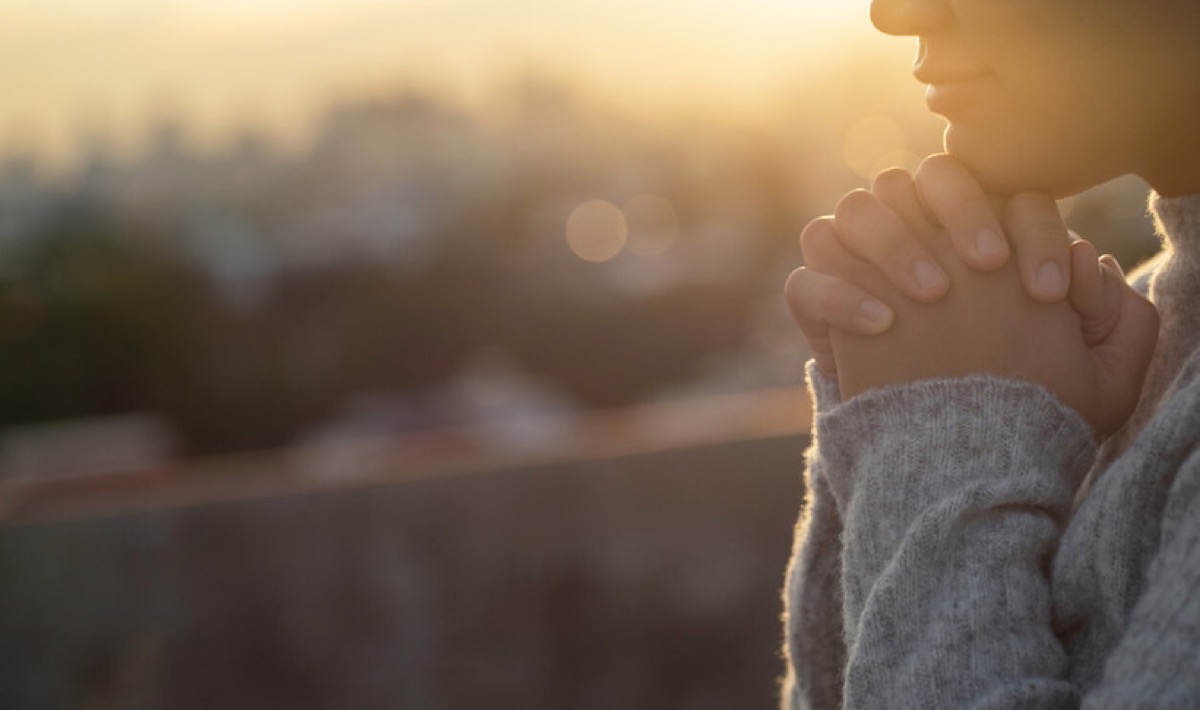
Temples, churches, mosques and pagodas — all within walking distance of each other
Calendar
Festivals of Mauritius
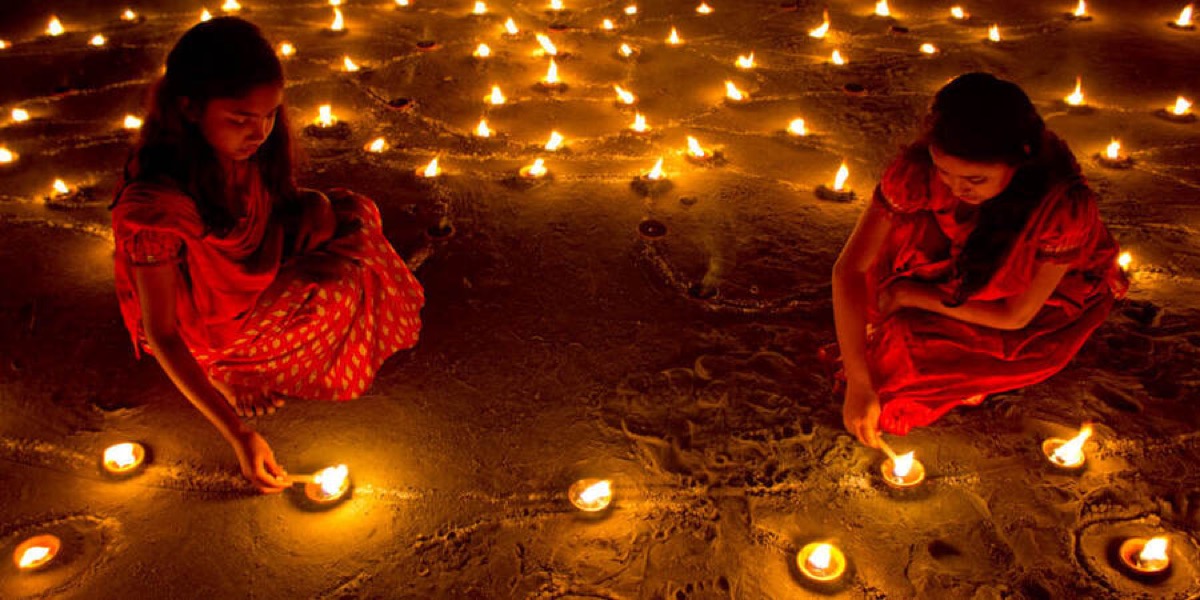
October / November
Diwali
Festival of lights. National holiday. The whole island is illuminated — Hindu homes, shopping centres, public spaces. Celebrated joyfully across all communities.
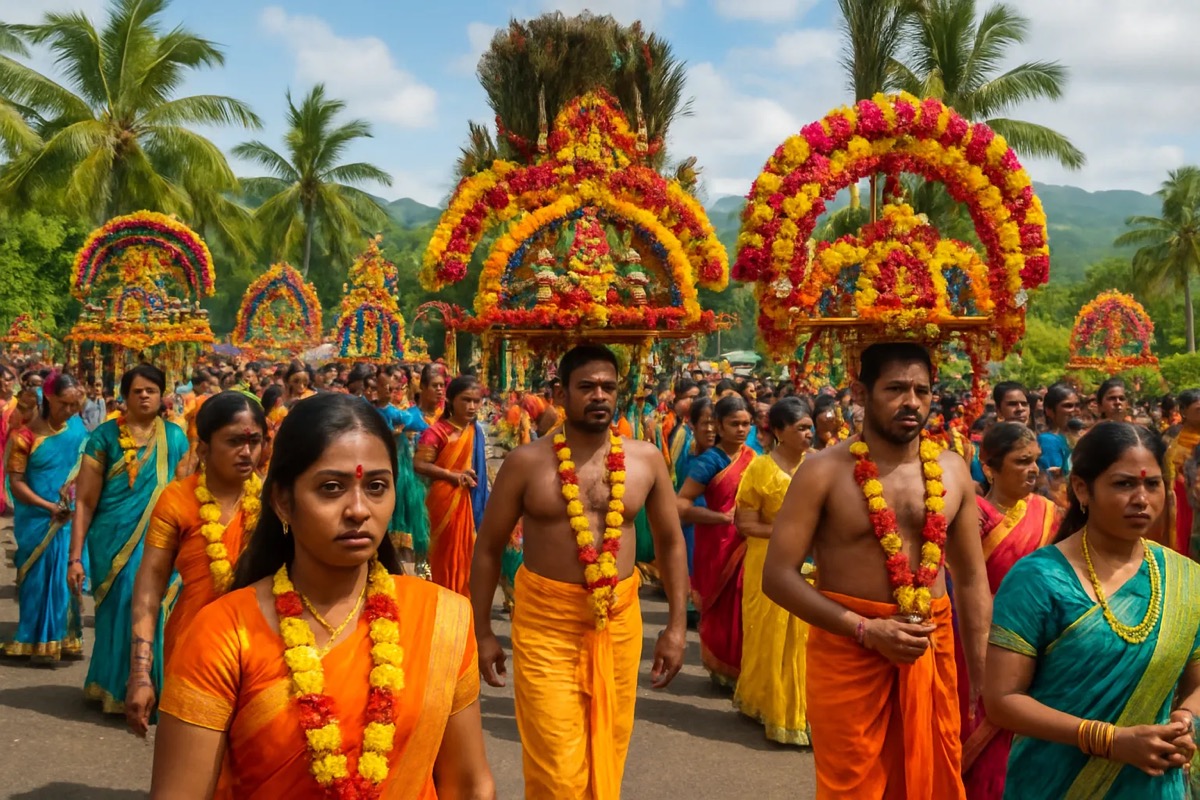
January / February
Thaipusam Cavadee
Hindu festival of devotion. Worshippers carry kavadis (decorated frames) after days of fasting. Body piercing is practiced by devoted worshippers. Deeply moving to witness.
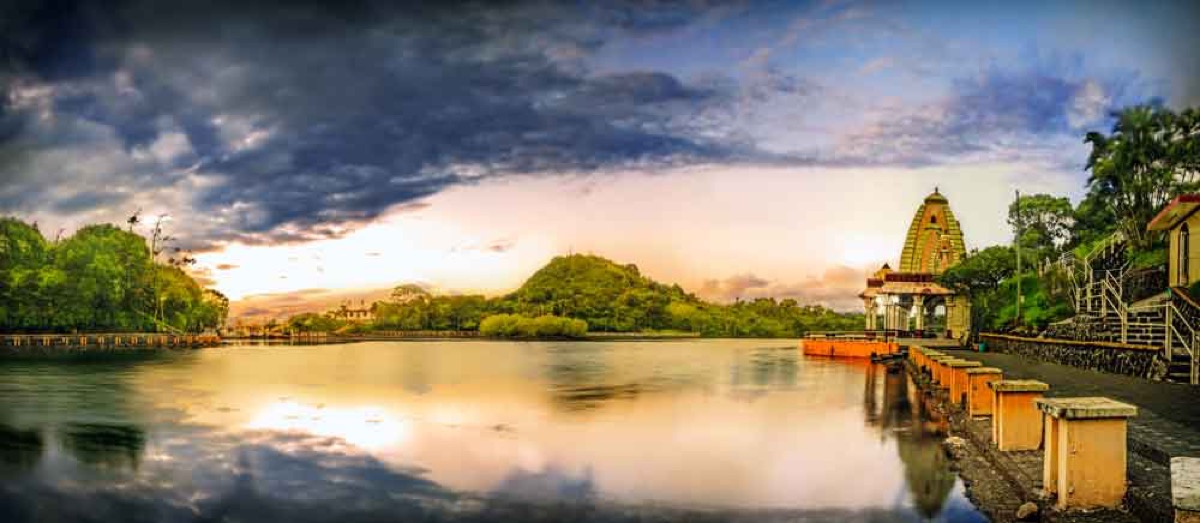
February / March
Maha Shivaratri
More than 400,000 pilgrims walk to Grand Bassin, a sacred crater lake, carrying pots of holy water on foot. One of the largest Hindu pilgrimages outside India.
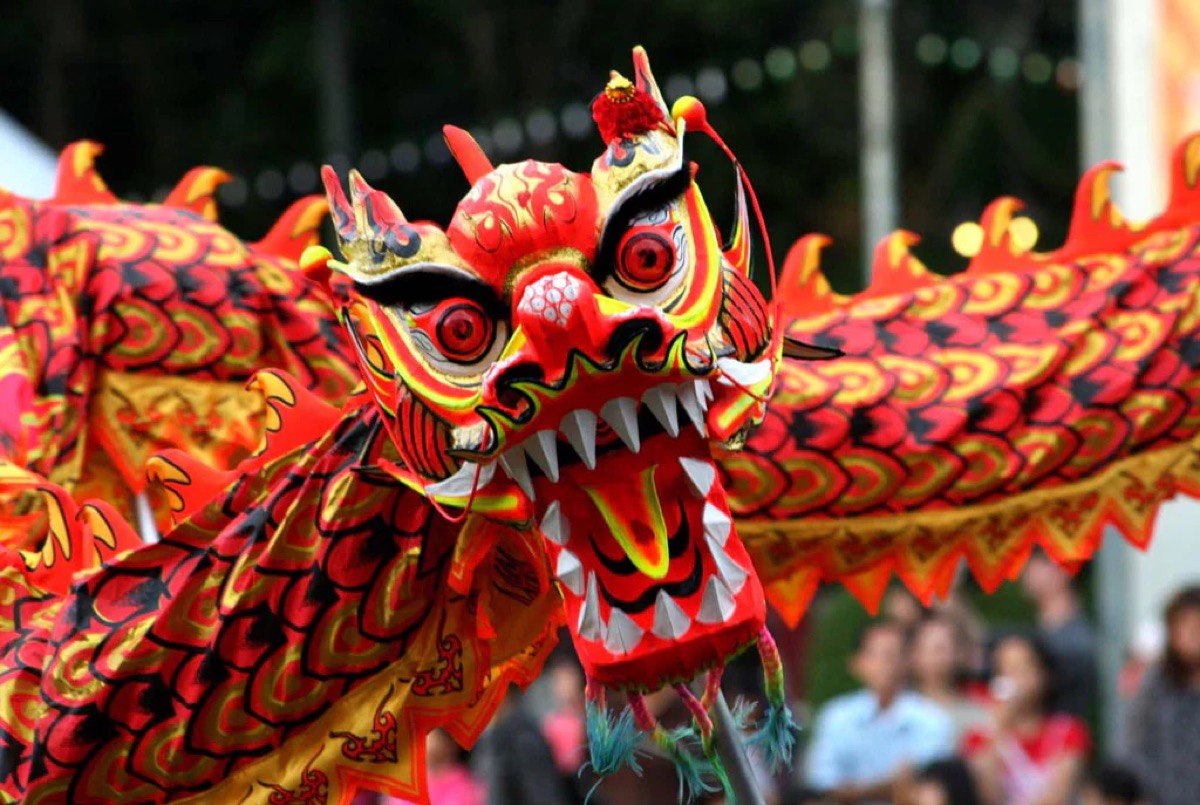
January / February
Chinese Spring Festival
Firecrackers, lion dances, family gatherings. Port Louis Chinatown comes alive. Chinese restaurants across the island fill with all communities celebrating together.
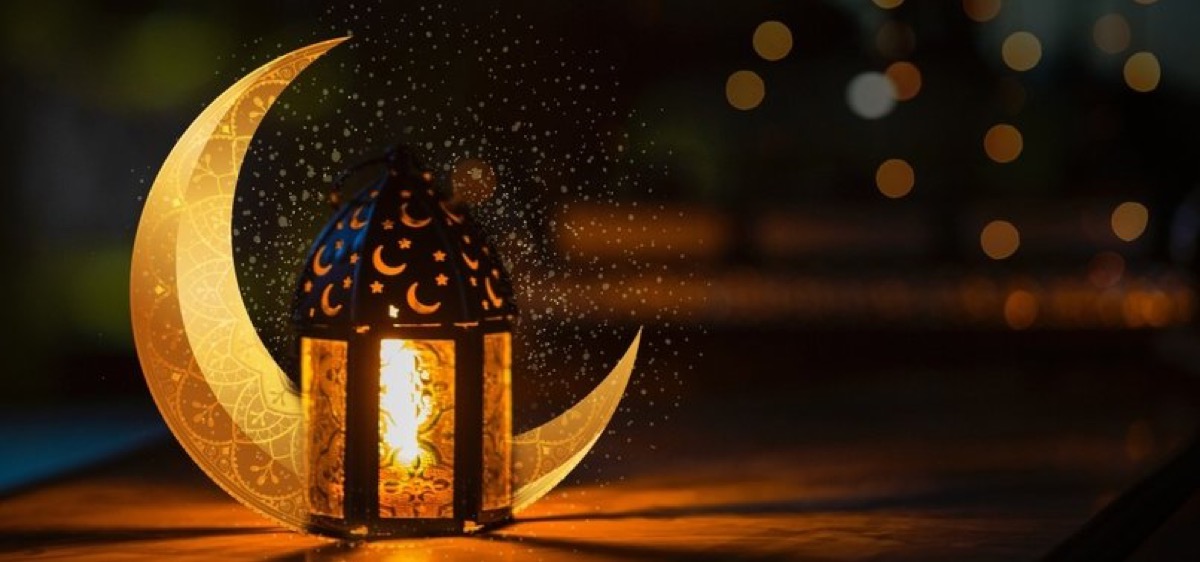
Date varies (Islamic calendar)
Eid ul-Fitr
End of Ramadan. National public holiday. Community feasting, charitable giving, and visits between families. Celebrated warmly across all communities.
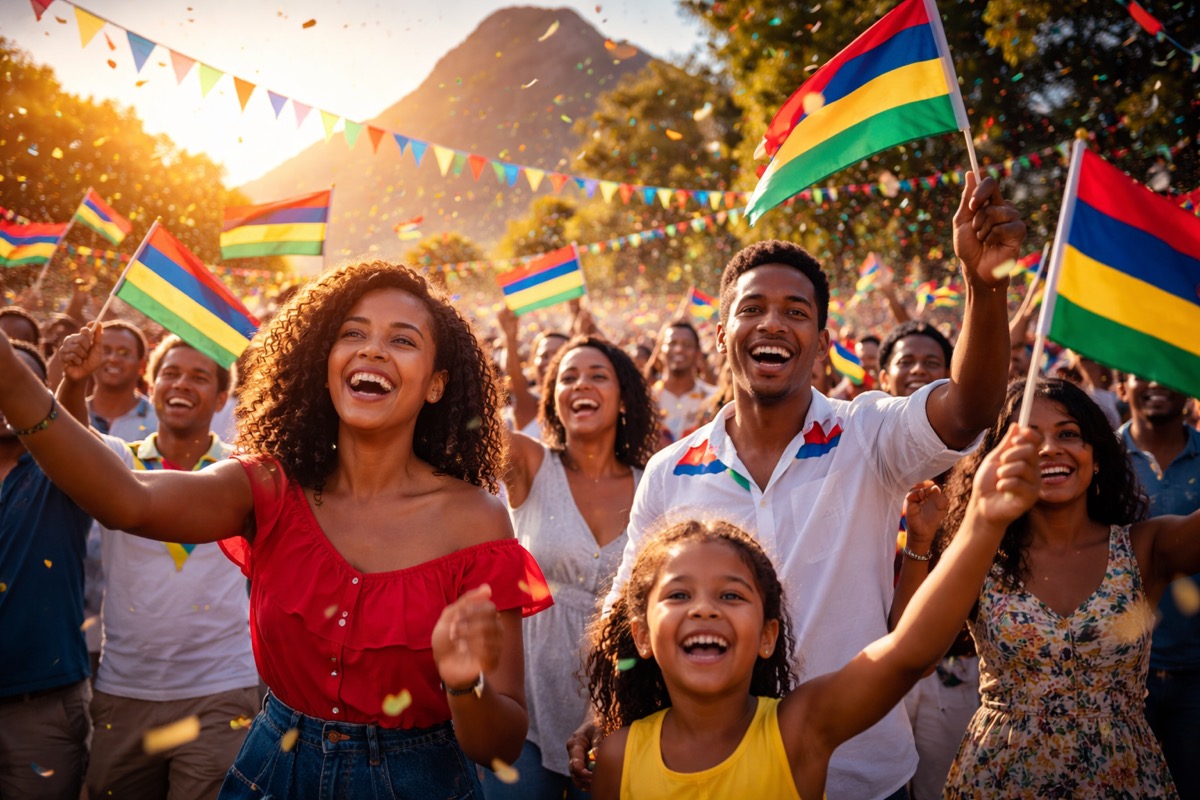
12 March
Independence Day
National holiday since 1968. Military parade in Port Louis. A day of pride that crosses all communal lines — the one day all Mauritians are simply Mauritian.
National Music
Sega — the soul of Mauritius
National Music
Sega — The Soul of Mauritius
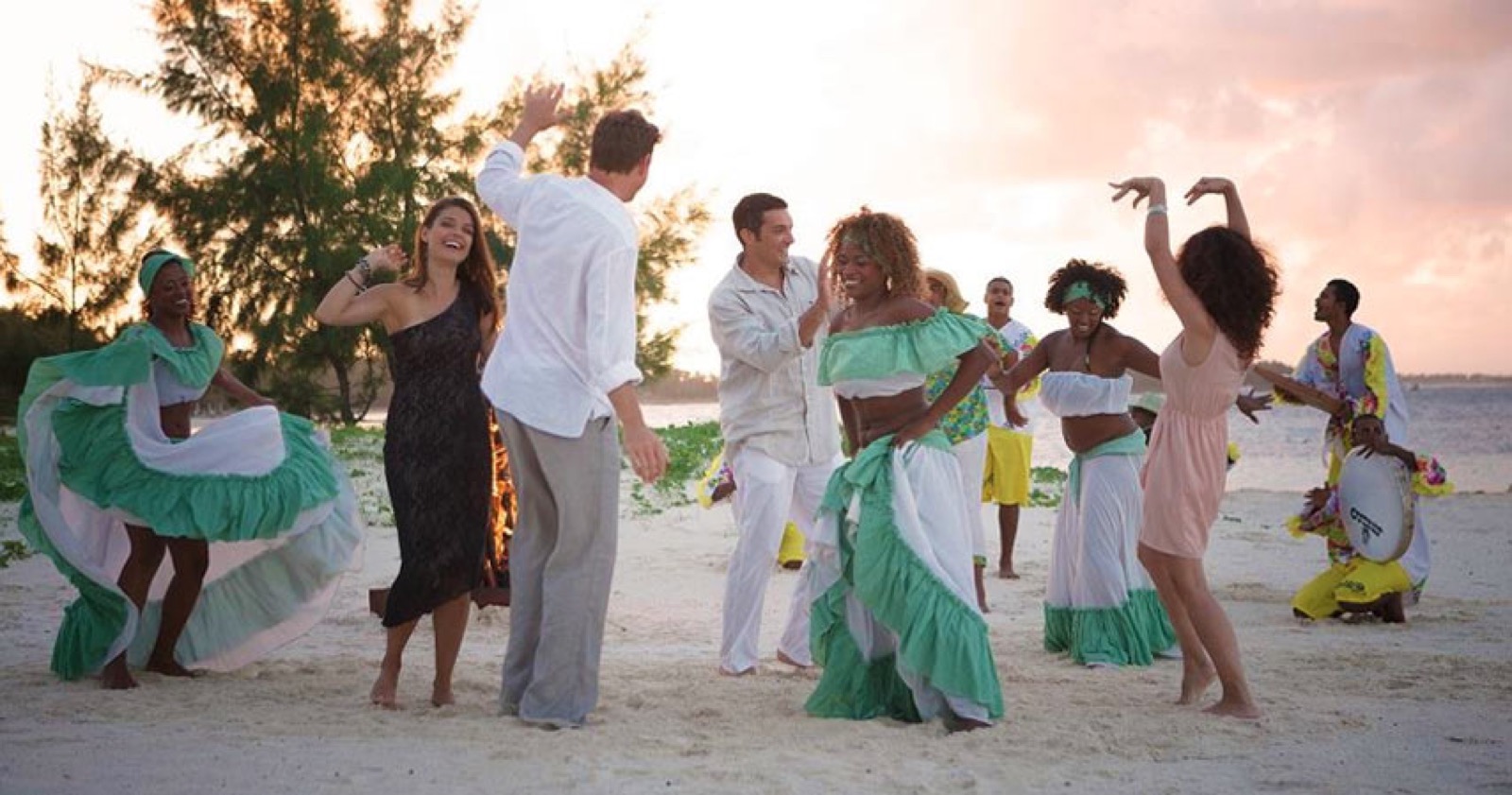
Sega is the music of Mauritius. An African-origin music and dance tradition that developed among enslaved Africans on the island, it was originally performed around fires on the beach after the working day — a form of expression, release, and resistance under slavery.
Traditional sega instruments: the ravanne (a large, single-sided goatskin drum), the maravanne (a seed-filled rectangular wooden box shaken like a rattle), and the triangle. The music has an infectious, driving rhythm and the dance — hip-swinging, low to the ground — is immediately recognisable.
Sega is now the national music of Mauritius and is recognised by UNESCO as an Intangible Cultural Heritage. It is performed at resorts, beach parties, and cultural events across the island — though the most authentic sega is found in villages and informal gatherings.
Seggae— a fusion of sega and reggae — was pioneered by Kaya (Joseph Réginald Topize, 1960–1999), one of the most important cultural figures in Mauritian history. Kaya's death in police custody sparked serious riots and remains a highly sensitive chapter in the island's recent history.
Food Culture
What Mauritians Eat

Street food is the heart of Mauritian food culture
Mauritian food is one of the Indian Ocean's great culinary traditions — a layered fusion of Indian, Chinese, French, African, and British influences, cooked together on a small island for 350 years.
Art & Craft
Craft & Creative Tradition
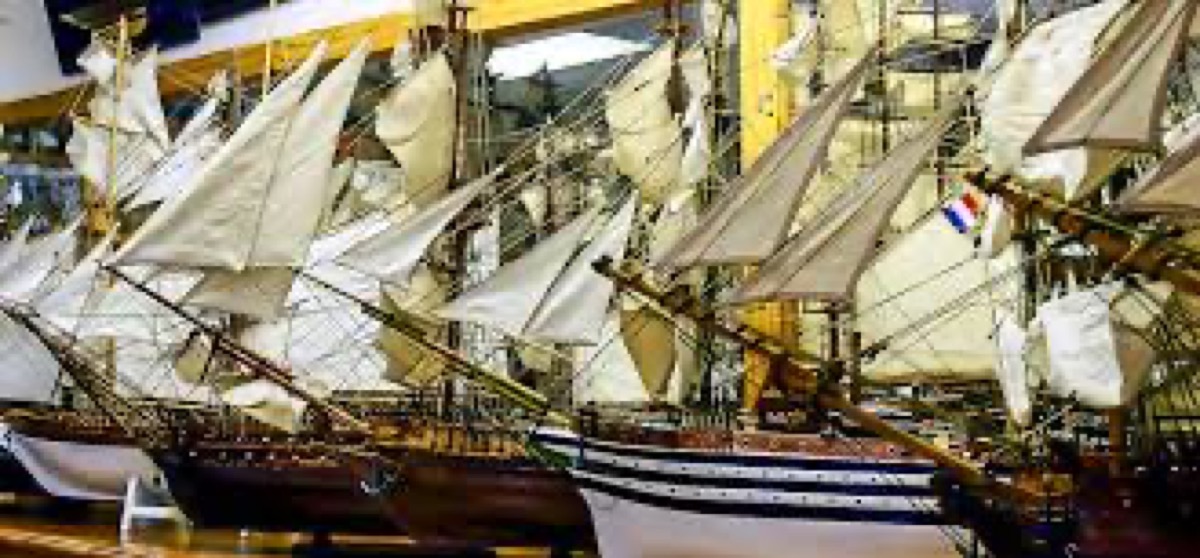
Model Ships
Intricate handbuilt wooden replicas of historical sailing ships. Mauritius's most famous craft export — workshops in Mahebourg and Curepipe are open to visitors.
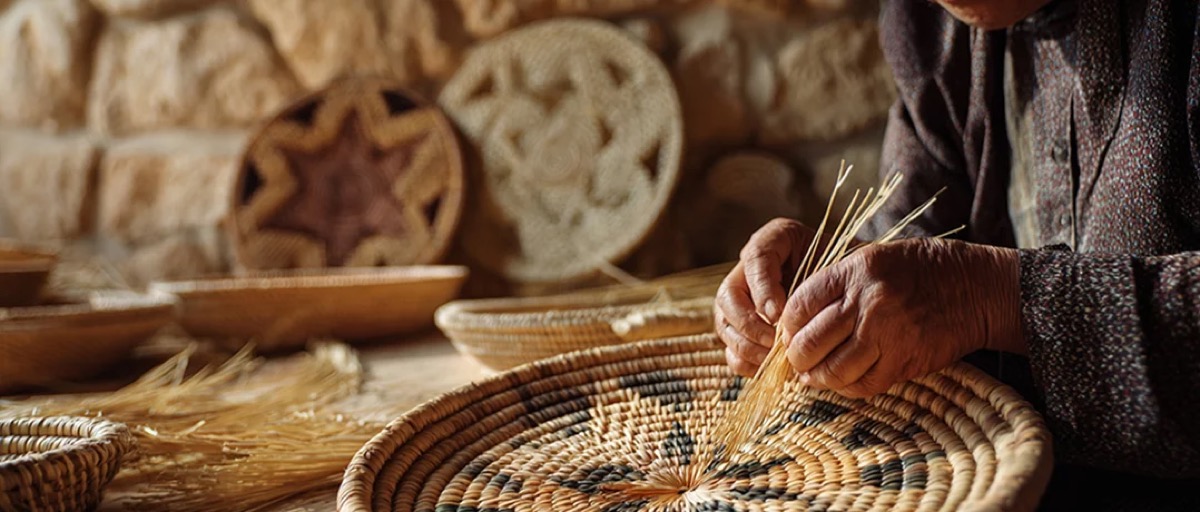
Basketry & Weaving
Traditional baskets and woven goods from vacoa (pandanus) leaves. A living craft tradition, especially in rural coastal communities.
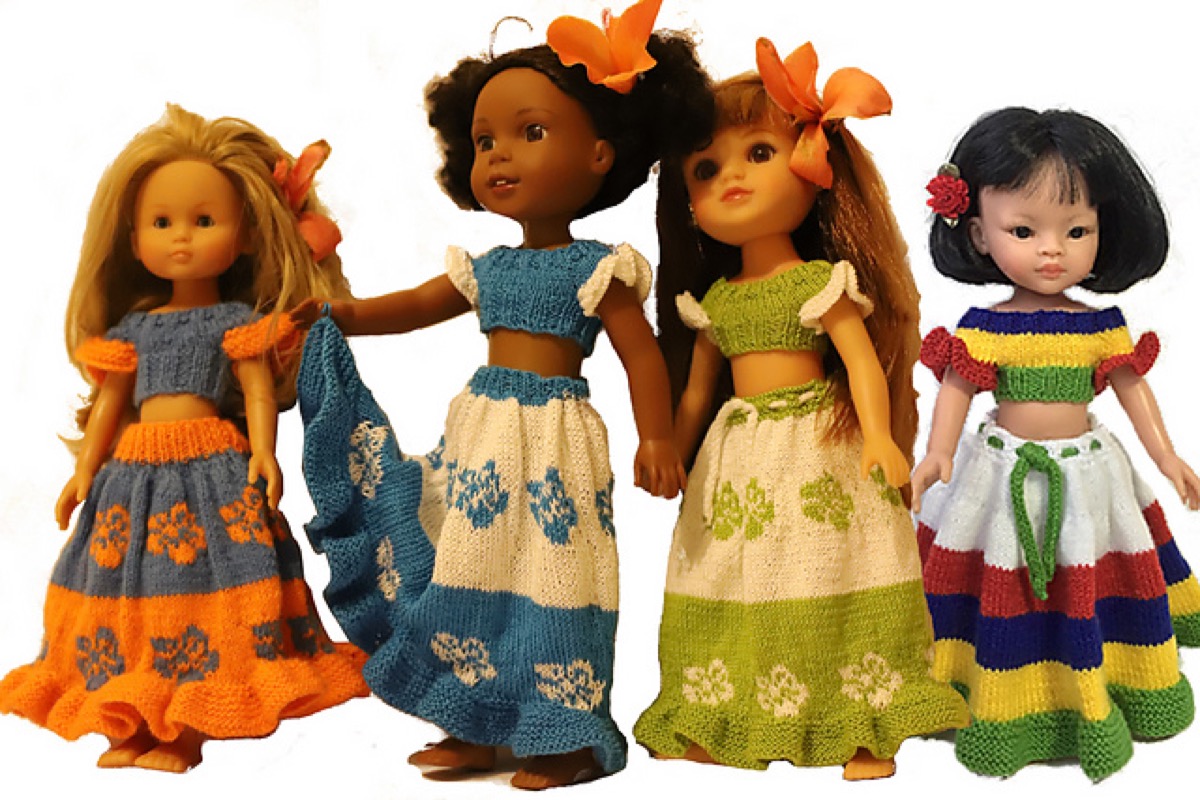
Sega Dolls
Handmade dolls in traditional sega costume. Colourful, distinctive, and one of the most authentic souvenirs.
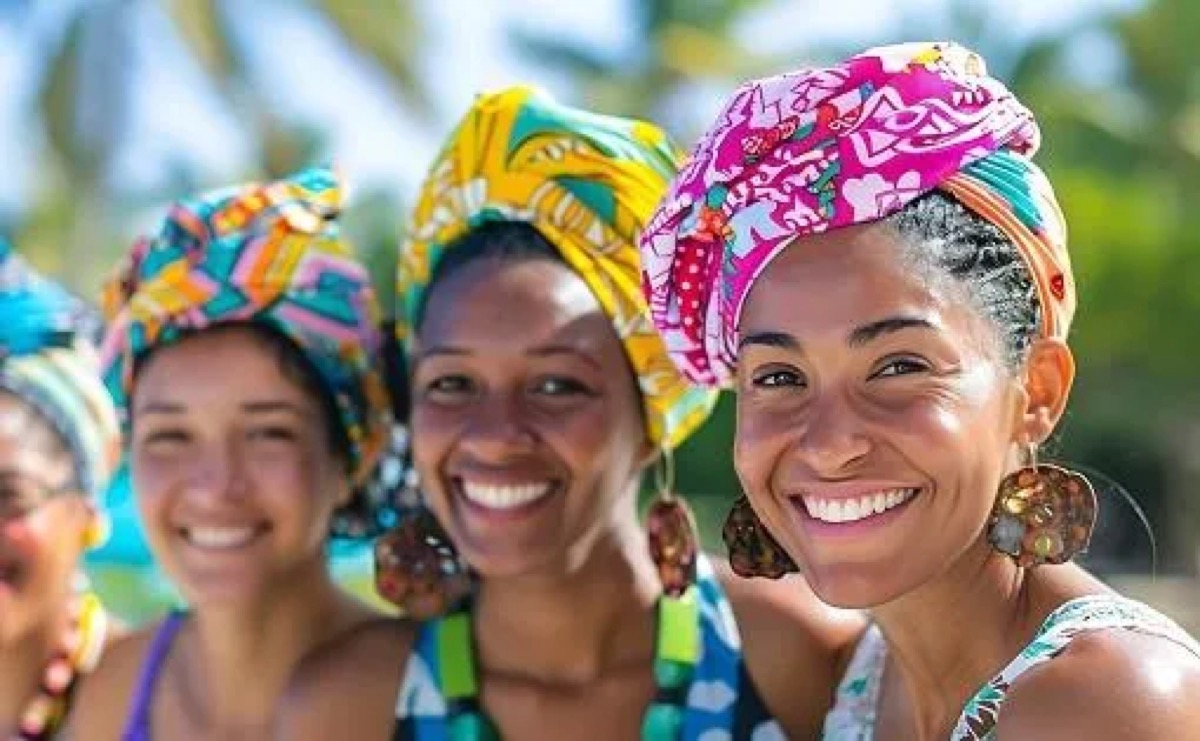
Textile Design
Mauritius has a strong fashion and textile industry. Hand-painted silks, batik fabrics, and luxury linens are available at the better craft markets.
Explore More